Off-Page SEO Tactics That Build Authority
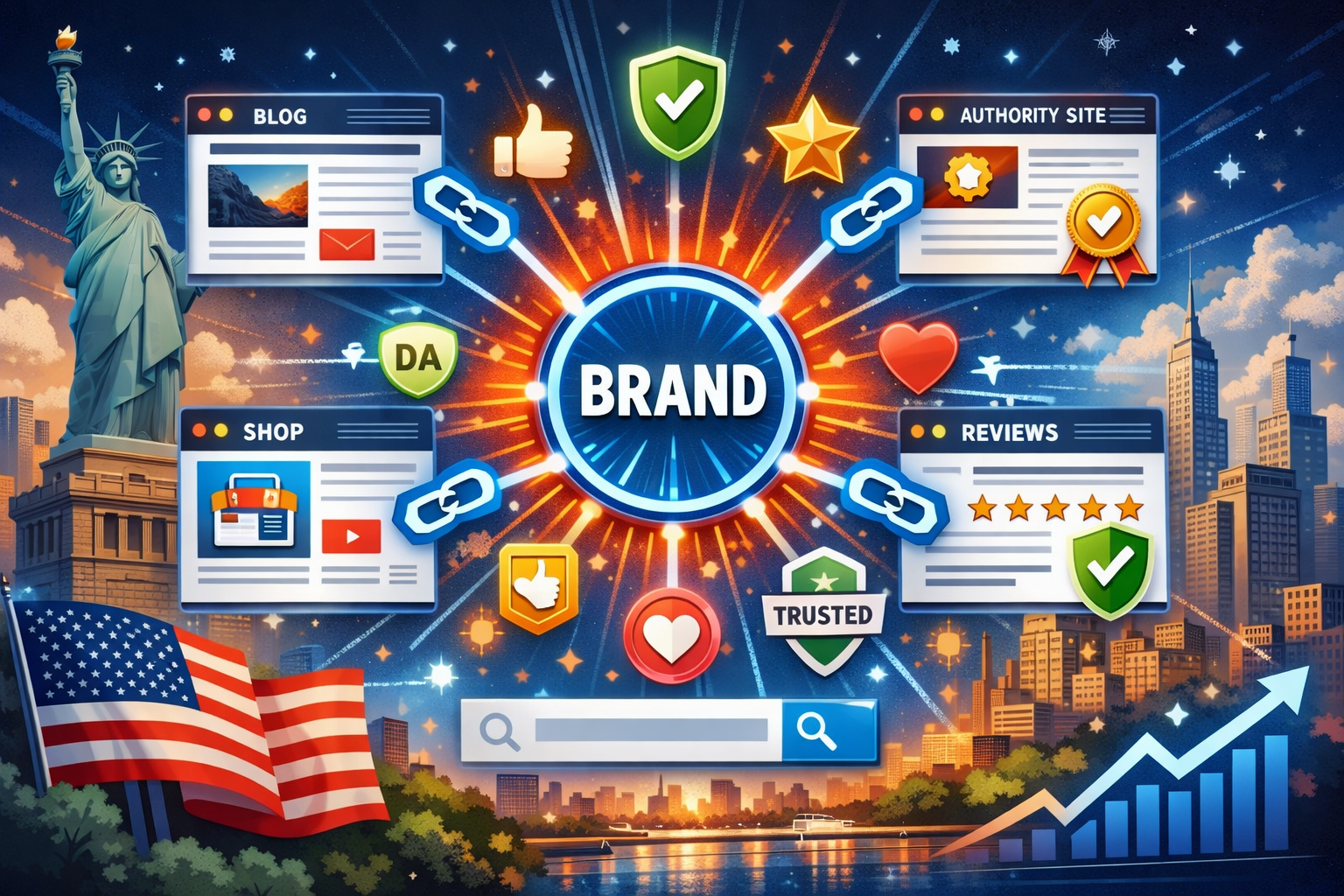


Why Off-Page SEO Is the Key to Building Real Online Authority
If your website is not ranking the way you expect, the problem is often not what is on your site but what is happening outside of it. Search engines do not evaluate content in isolation. They evaluate how the rest of the internet responds to that content. This is where off-page SEO becomes the deciding factor between average visibility and true search authority.
Many businesses invest heavily in on-page improvements such as keyword optimization, content structure, and technical performance. While those elements are essential, they only establish relevance. Authority is earned elsewhere. Backlinks, brand mentions, citations, and external validation all influence how credible your site appears to search engines.
Without a clear off page SEO strategy, even the most well-written content can struggle to break through competitive search results. Search engines want evidence that your brand is trusted by others, not just optimized for algorithms.
In this guide, you will learn how off page SEO works, why it is critical for building long-term authority, and which tactics actually move the needle in competitive United States markets. We will break down proven, white-hat approaches that help brands earn trust, improve rankings, and drive qualified traffic without shortcuts that risk penalties.
By the end, you will have a clear framework for strengthening your off-page SEO efforts and positioning your brand as an authority search engines trust.
Understanding Off-Page SEO Fundamentals
Off-page SEO refers to all optimization efforts that occur outside your website but directly influence how search engines perceive your authority and relevance. While on-page SEO focuses on content, internal structure, and technical signals, off-page SEO focuses on external validation.
At its core, off-page SEO answers one critical question for search engines. Do other credible sources trust and reference your brand?
Search engines rely on off-page signals to measure trustworthiness. High-quality backlinks, brand mentions, citations, and external references act as endorsements. Each endorsement tells search engines that your content provides value worth sharing or citing.
What Off-Page SEO Includes
Modern offsite SEO extends beyond simple link building. Key components include:
- Off page SEO backlinks from authoritative websites
- Brand mentions, both linked and unlinked
- Digital public relations and media coverage
- Content distribution and citation
- Reviews and reputation signals
- Strategic partnerships and collaborations
Understanding this broader scope is essential. Off-page SEO today is about building credibility at scale, not manipulating link counts.
Benefits of Off-Page SEO for Long-Term Growth
The benefits of off-page SEO compound over time and impact more than rankings alone. Businesses that invest in off-page optimization experience advantages across visibility, traffic, and brand trust.
Key benefits include:
- Stronger domain authority and trust signals
- Improved keyword rankings across competitive terms
- Increased referral traffic from relevant sources
- Higher brand recognition and credibility
- Greater resistance to algorithm volatility
Unlike short-term tactics, off-page SEO creates durable value. Once authority is established, it supports every future piece of content you publish.
Proven Off-Page SEO Techniques That Scale Authority
Building authority requires consistency, strategy, and a focus on quality over volume. The following off-page SEO techniques work together to create sustainable growth without risking penalties.
Building Authority With Off-Page SEO Backlinks
Backlinks remain one of the strongest off-page SEO signals when earned correctly. Search engines treat backlinks as votes of confidence. The more credible the source, the stronger the signal.
Effective off page SEO backlinks come from websites that are relevant, authoritative, and editorially selective. These links tell search engines that your content meets high standards.
Ethical Link Acquisition Methods
Proven off page link building methods include:
- Guest publishing on industry-relevant websites
- Resource link outreach to trusted publications
- Editorial mentions earned through expertise
- Thought leadership contributions
- Data-driven content citations
Avoid low-quality directories, private networks, and paid link schemes. These tactics dilute trust and can lead to long-term damage.
One authoritative backlink often provides more value than dozens of low-quality links.
Earning Authority Through Brand Mentions
Brand mentions are an increasingly important off-page signal. Search engines recognize when reputable sites reference your business, even if no hyperlink is included.
Mentions signal relevance and credibility, especially when they appear in authoritative content.
Ways to earn mentions include:
- Contributing expert insights to industry articles
- Participating in digital PR campaigns
- Publishing original research
- Providing commentary on industry trends
Monitoring unlinked mentions and requesting attribution when appropriate can further strengthen SEO impact.
Strengthening Off-Page SEO With Content That Earns Links
Content plays a central role in modern off-page SEO when it is created with citation in mind. Not all content earns links. High-performing off-page assets typically share common traits.
They are original, insightful, and difficult to replicate.
Examples include:
- Original research and surveys
- In-depth industry guides
- Data analysis and trend reports
- Long-form educational resources
These assets naturally attract backlinks over time, especially when supported by strategic distribution.
Brands that showcase proven results through real-world examples, similar to those featured in our work, often see stronger link acquisition without aggressive outreach.
Offsite SEO Through Strategic Partnerships
Partnerships are one of the most overlooked off page SEO methods. Collaborating with complementary brands, organizations, or associations expands reach while reinforcing trust.
Effective partnerships include:
- Co-authored content
- Joint research projects
- Webinars and events
- Case studies and testimonials
These relationships generate natural backlinks and brand exposure while strengthening industry credibility.
Long-term partnerships outperform one-off link exchanges because they create ongoing authority signals.
Reinforcing Authority With Offsite SEO Signals
Search engines evaluate more than links alone. Reviews, citations, and reputation signals all contribute to off-page authority, particularly for United States based businesses.
Important signals include:
- Consistent business listings
- Positive customer reviews
- Brand sentiment across platforms
- Accurate contact and location data
Maintaining consistency across external platforms reinforces trust and prevents authority dilution.
Businesses highlighted among trusted clients often benefit from strong offsite signals that extend beyond backlinks.
Advanced Off-Page SEO Techniques for Competitive Markets
In highly competitive industries, basic tactics are not enough. Advanced off-page SEO techniques focus on differentiation and authority leadership.
These include:
- Digital PR campaigns targeting major publications
- Proprietary data releases
- Expert roundups with editorial standards
- Authority-driven content syndication
Advanced strategies require more effort but produce higher-quality signals that are difficult for competitors to replicate.
Real-World Applications of Off-Page SEO
Off-page SEO strategies vary based on business model, market, and goals.
A B2B company may publish original research and pitch insights to trade publications. This approach earns backlinks, referral traffic, and credibility simultaneously.
A local service provider may focus on reviews, citations, and regional partnerships. These efforts strengthen geographic relevance and improve local search performance.
In both scenarios, off-page SEO succeeds when aligned with clear objectives and supported by consistent execution.
Off Page Optimization Checklist for Sustainable Growth
A structured off page optimization checklist helps ensure nothing critical is overlooked.
Key checklist items include:
- Earning backlinks from authoritative sources
- Monitoring brand mentions regularly
- Maintaining consistent citations
- Encouraging authentic reviews
- Tracking referral traffic and link growth
- Auditing backlink quality periodically
Following this checklist prevents reactive decision-making and keeps authority growth intentional.
Best Practices and Common Off-Page SEO Mistakes
Off-page SEO rewards patience and precision. Following best practices ensures steady progress without unnecessary risk.
Best practices include:
- Prioritizing quality over quantity
- Diversifying link sources
- Aligning tactics with brand authority goals
- Tracking performance consistently
Common mistakes to avoid:
- Chasing fast links
- Using manipulative tactics
- Ignoring brand mentions
- Focusing only on metrics instead of trust
The most damaging mistake is pursuing shortcuts. Sustainable off-page SEO is built through credibility, not manipulation.
Turning Off-Page SEO Into Long-Term Search Authority
Off-page SEO is the foundation of long-term search visibility and brand authority. While on-page optimization establishes relevance, external trust signals determine how far your site can climb.
By earning high-quality backlinks, authoritative mentions, and strong offsite signals, you position your brand as a trusted resource in competitive markets.
The key is consistency. Authority does not happen overnight, but strategic off-page SEO compounds over time. Start with a few high-impact tactics, refine what works, and scale gradually.
When off-page SEO is aligned with content, social promotion, and advertising strategies such as those outlined in social media ads that convert, results become more predictable and measurable.
If you are ready to strengthen your off-page SEO strategy, the next step is aligning these tactics with a data-driven execution plan that supports your broader marketing goals and long-term growth.
Frequently Asked Questions About Off-Page SEO
What is off-page SEO?
Off-page SEO includes all actions taken outside your website to improve search rankings. This includes backlinks, brand mentions, citations, reviews, and digital PR efforts that signal trust and authority to search engines.
How long does off-page SEO take to work?
Results typically appear within three to six months, depending on competition and execution. Authority builds gradually, and consistent effort leads to sustainable improvements.
Are backlinks still important for SEO?
Yes. Backlinks remain a core ranking factor when earned ethically. Search engines evaluate link quality, relevance, and trustworthiness rather than volume alone.
Can off-page SEO help local businesses?
Yes. Reviews, citations, and local partnerships are powerful off-page SEO signals that improve visibility in geographically targeted searches.
Is off-page SEO risky?
Off-page SEO is safe when using white-hat methods. Risk arises from manipulative practices such as paid links or spam networks, which should be avoided.
Contact Us
