Digital Marketing and Lead Generation: Strategies That Actually Work
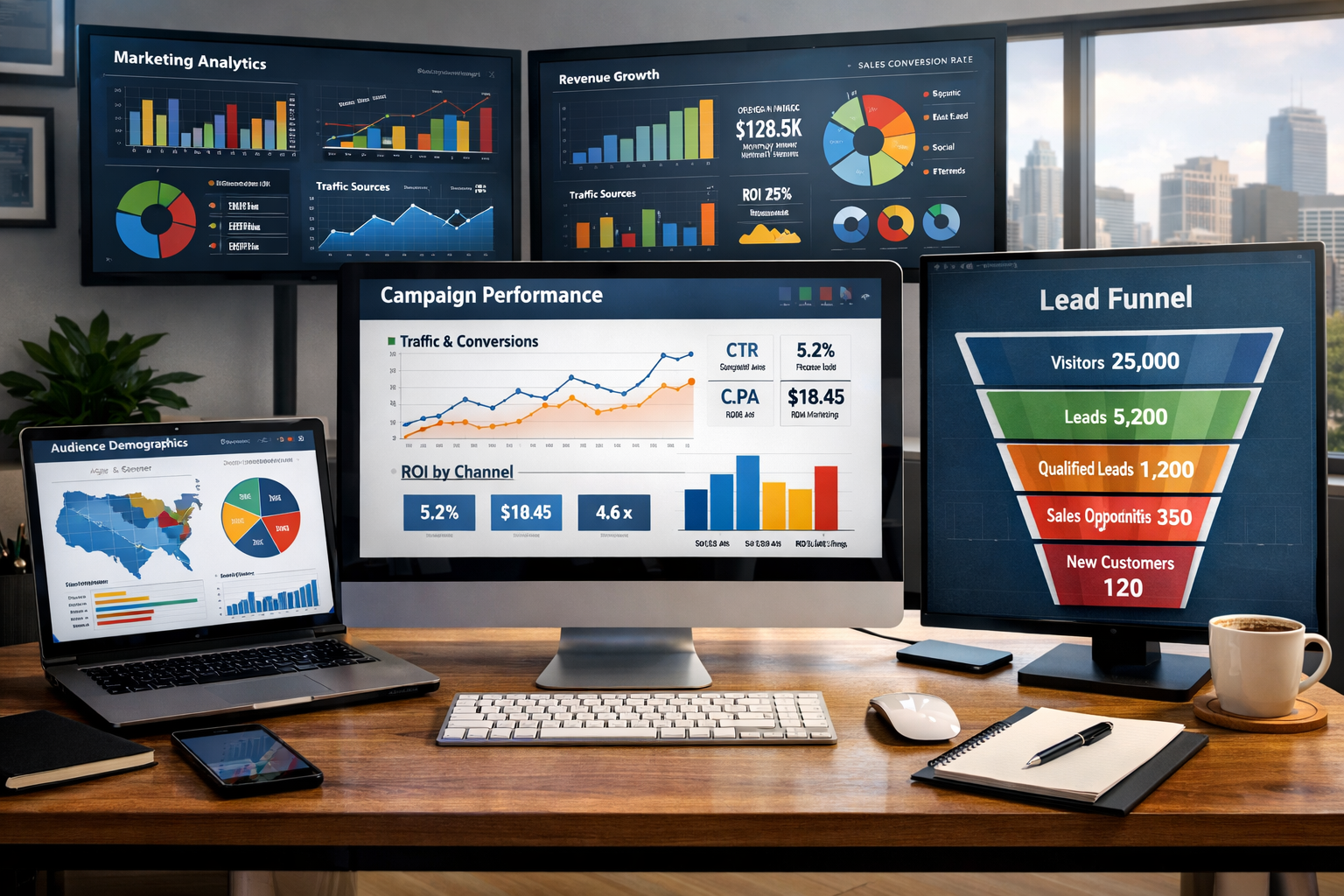


Digital Marketing and Lead Generation That Drives Real Business Growth
If you’ve invested time and budget into marketing but still struggle to generate consistent, qualified leads, you’re not alone. Many businesses launch campaigns across multiple channels, only to see scattered results and unclear ROI. The issue usually isn’t a lack of platforms or tools. It’s the absence of a focused strategy that truly connects digital marketing and lead generation.
At its best, digital marketing does more than build awareness. It attracts the right audience, guides them through a structured journey, and converts interest into measurable growth. When lead generation tactics are misaligned or treated as standalone efforts, even strong brands waste budget and miss opportunities.
In this guide, you’ll learn how digital marketing and lead generation work together, which strategies consistently produce results, and how companies across the United States turn traffic into revenue, not just clicks. We’ll cover practical frameworks, proven tactics, and best practices you can apply immediately.
Understanding Digital Marketing and Lead Generation Fundamentals
Digital marketing and lead generation are closely related, but they serve different roles. Digital marketing includes all online efforts used to reach and engage audiences, such as search, social media, content, and paid advertising. Lead generation focuses on converting that attention into real prospects who show intent.
This distinction matters because traffic alone doesn’t drive revenue. Businesses that align digital marketing for lead generation see:
- Higher-quality leads instead of inflated traffic
- Clearer attribution between campaigns and conversions
- More efficient use of marketing budgets
When executed correctly, digital marketing supports each stage of the funnel. Awareness campaigns educate. Consideration campaigns build trust. Conversion campaigns capture leads and move them closer to action.
A common misconception is that lead generation is only about forms and landing pages. In reality, lead generation using digital marketing is about creating a seamless experience from first interaction to conversion, reducing friction and building confidence at every step.
Proven Digital Marketing and Lead Generation Strategies That Convert
Data-Driven Audience Targeting
Effective digital marketing lead generation starts with precision. High-performing campaigns rely on data to define audiences by demographics, behavior, and intent signals. This approach reduces wasted spend and improves lead quality.
Rather than targeting everyone, successful brands focus on users actively researching, comparing, or showing buying intent.
Content Marketing for Lead Generation
Content remains one of the most sustainable ways to generate leads. Educational blogs, guides, and case studies attract users searching for answers. When paired with clear calls to action, content marketing lead generation bridges awareness and conversion without feeling intrusive.
This strategy works especially well for B2B and service-based businesses where trust and education matter.
SEO and Lead Generation Alignment
Search engine optimization plays a critical role in long-term lead generation. By targeting high-intent keywords and optimizing content for user needs, seo and lead generation work together to attract prospects who are already looking for solutions.
For businesses comparing short-term versus long-term strategies, understanding Google Ads vs SEO helps clarify where each channel fits within the lead generation mix.
Paid Media That Supports Conversion
Paid advertising accelerates results when strategy and execution align. Search ads capture high-intent users, while paid social nurtures interest and expands reach. The key is consistency, messaging, targeting, and landing pages must support the same conversion goal.
This is where many brands fall short. Ads drive clicks, but landing pages fail to convert.
Conversion-Focused Landing Pages
Traffic doesn’t generate leads. Optimized landing pages do. Clear headlines, focused messaging, social proof, and simple forms significantly improve conversion rates. Even small improvements here can dramatically lower cost per lead.
For many businesses, landing page optimization delivers the fastest ROI within digital marketing for lead generation.
Continuous Funnel Measurement
Successful strategies evolve. Ongoing testing, analytics, and optimization ensure campaigns adapt to audience behavior. Reviewing performance regularly allows teams to refine messaging, budgets, and channels for better outcomes.
Real-World Applications Across U.S. Businesses
A B2B company may combine educational content with paid search to capture high-intent leads, then nurture them through email sequences. This approach often reduces cost per lead while improving sales readiness.
An eCommerce brand may rely on paid social and retargeting to drive traffic to optimized product pages. When creative aligns with audience segments, conversion rates increase without sacrificing brand consistency.
Service-based businesses often succeed with localized campaigns, strong landing pages, and clear offers, creating predictable pipelines for sales teams. Across industries, alignment is the common factor that separates success from wasted spend.
Best Practices for Digital Marketing and Lead Generation
To improve results consistently, keep these principles in mind:
- Prioritize intent over volume
- Align messaging across all channels
- Invest in analytics early
- Test and optimize continuously
- Treat lead generation as a system, not isolated tactics
Understanding why lead generation is important shifts marketing from visibility-focused to revenue-driven.
Why Strategic Execution Makes the Difference
Digital marketing and lead generation are not about chasing trends. They are about executing fundamentals with clarity and consistency. Brands that see sustainable growth understand their audience, invest in the right channels, and optimize relentlessly.
Agencies like Express Media specialize in integrating strategy, execution, and measurement so marketing efforts directly support lead generation goals. This performance-driven approach helps businesses scale efficiently while maintaining visibility into what actually works.
If your current efforts generate traffic but not leads, it’s time to realign digital marketing with clear conversion objectives.
Digital Marketing and Lead Generation FAQs
How long does digital marketing and lead generation take to show results?
Paid campaigns can generate leads within weeks. Content and SEO strategies typically build momentum over several months.
Is digital marketing effective for B2B lead generation?
Yes. When combined with educational content and intent-based targeting, it is one of the most effective B2B strategies available.
What channels work best for lead generation in the United States?
Search, paid social, content marketing, and email consistently perform well when aligned under a unified strategy.
How do you measure lead generation success?
Key metrics include cost per lead, conversion rate, lead quality, and revenue attribution.
Can small businesses compete with larger brands digitally?
Absolutely. Focused targeting, optimized landing pages, and smart budgeting often allow smaller businesses to outperform larger competitors in efficiency.
Contact Us
