Top Features to Look For in the Best SEO Reporting Tools
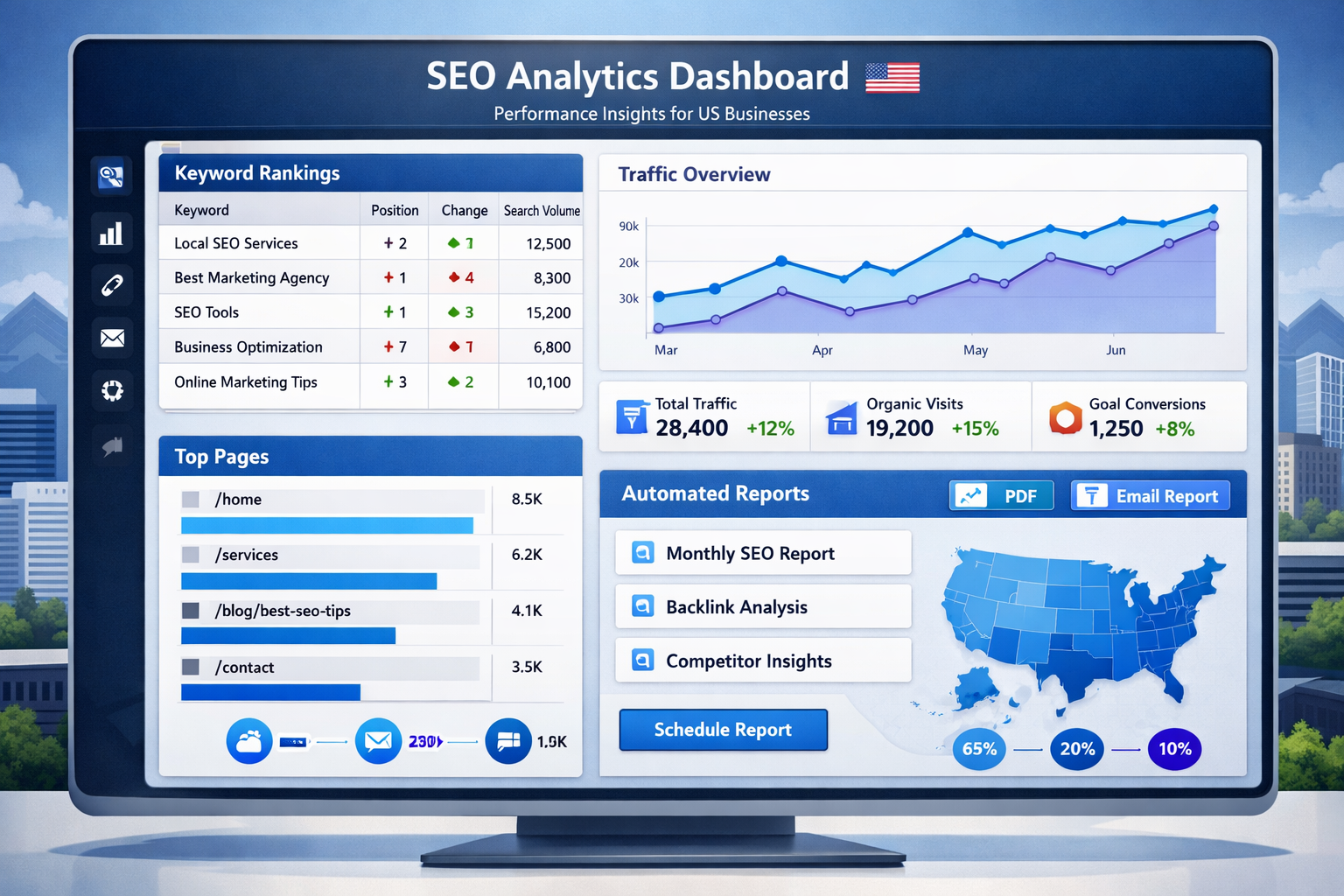


If you’ve ever struggled to explain SEO results clearly to a client, a stakeholder, or even your own team, you’re not alone. SEO performance data is incredibly valuable, but without the right tools, it can quickly become overwhelming and difficult to interpret. Rankings fluctuate, traffic changes daily, backlinks grow over time, and conversions don’t always tell the full story on their own.
This is why choosing the best SEO reporting tools matters so much. The right solution doesn’t just collect metrics, it transforms complex data into insights you can act on. It helps you communicate progress, uncover opportunities, and demonstrate return on investment with confidence. For US-based businesses and agencies, effective reporting often plays a direct role in client retention, budget approvals, and long-term growth.
In this guide, you’ll learn:
- What SEO reporting tools actually are
- Which features define high-quality SEO reporting solutions
- How the right capabilities improve clarity and efficiency
- Common mistakes to avoid when evaluating reporting software
By the end, you’ll know exactly what to look for in SEO reporting tools that support smarter strategies and sustainable results.
What Are SEO Reporting Tools?
Before diving into features, it’s important to understand what SEO reporting tools actually do. At their core, these platforms collect, organize, and visualize SEO performance data in one place.
Instead of manually assembling spreadsheets and screenshots, SEO reporting tools automate the process of tracking:
- Keyword rankings
- Organic traffic trends
- Backlinks and referring domains
- Technical SEO metrics
- Conversions and goals
The best SEO reporting tools go beyond raw data. They present insights through dashboards and reports that are easy for both technical and non-technical audiences to understand.
Why SEO Reporting Features Matter More Than You Think
Not all reporting platforms are created equal. Two tools may appear similar on the surface, but their features determine how useful they truly are.
Feature-rich SEO reporting tools help:
- Speed up analysis and decision-making
- Improve communication with clients and stakeholders
- Reduce manual reporting time
- Increase transparency and accountability
For US businesses operating in competitive markets, clarity in reporting can directly influence marketing strategy, budget allocation, and overall ROI.
Step One: Automated Reporting Capabilities
One of the first features to evaluate is automation. Manually pulling reports every week or month is inefficient and limits scalability.
Understanding how to choose an automated SEO reporting tool starts with identifying how well it handles recurring tasks. The best SEO reporting tools allow you to schedule reports that are automatically generated and delivered to stakeholders.
Key automation features include:
- Scheduled email delivery
- Auto-updating dashboards
- Reusable report templates
Automation is especially valuable for agencies offering paid SEO report services, as it ensures consistency while saving hours of manual work.
Step Two: Accurate Keyword and Performance Tracking
Keyword tracking remains a foundation of SEO reporting. Without accurate data, even the most polished reports lose credibility.
High-quality SEO reporting solutions provide:
- Frequent ranking updates
- Desktop and mobile keyword tracking
- Location-based results for US markets
- Historical performance trends
Whether you’re using a premium platform or comparing a free SEM reporting tool to paid options, accuracy should always come first.
Step Three: Customizable Reporting Dashboards
Different audiences need different insights. Executives want high-level summaries, while SEO specialists need detailed performance data.
The best SEO report software offers customizable dashboards with flexible layouts and widget selection. This allows you to tailor views without creating multiple reports from scratch.
Customization should include:
- Metric and widget selection
- Visual chart options
- Multiple dashboard views
For agencies, customization is often paired with branding to create polished, client-ready reports.
Step Four: Multi-Source Data Integrations
SEO does not operate in isolation. To understand performance fully, reporting tools must integrate with other marketing platforms.
Top SEO reporting tools commonly integrate with:
- Google Analytics and GA4
- Google Search Console
- Paid search platforms
- CRM and marketing automation systems
These integrations help connect SEO metrics to traffic, leads, and revenue, making reports far more actionable for US businesses.
Step Five: White-Label and Client-Ready Reporting
For agencies, presentation is critical. White-label reporting allows you to deliver SEO insights under your own brand, strengthening professionalism and trust.
The best SEO reporting tools for agencies offer:
- Custom logos and brand colors
- Branded PDF and online reports
- Client-facing dashboards
Agencies often combine white-label reporting with showcased results from their work portfolio and client success stories to reinforce credibility.
Step Six: Clear Data Visualization
Data is only valuable if it’s easy to understand. Strong visualization transforms numbers into insights at a glance.
Effective SEO reporting tools use:
- Trend graphs for traffic and rankings
- Comparative time-period analysis
- Conversion and goal tracking charts
Clear visuals help stakeholders quickly identify what’s working, what’s not, and where to focus next.
Free vs Paid SEO Reporting Tools: What to Expect
Many teams start with a cheap search engine optimization reporting option or a free tool. While these can be useful initially, they often come with limitations.
Free tools typically offer:
- Limited automation
- Basic metrics
- Minimal customization
Paid SEO reporting tools usually include advanced automation, integrations, customization, and scalability, making them a better long-term investment for agencies and growing businesses.
Industry experts often highlight the importance of advanced reporting capabilities when scaling SEO efforts, as discussed in thought leadership articles on Search Engine Journal.
Practical Use Cases for US Businesses and Agencies
A US-based digital agency may rely on automated, white-label reports to demonstrate monthly progress across multiple clients. These reports highlight keyword growth, traffic improvements, and conversions, helping retain clients and justify ongoing investment.
An in-house marketing team may use SEO dashboards to align performance with business goals and guide future strategy. Clear reporting supports budget discussions and cross-department alignment.
Agencies often pair reporting with broader offerings outlined in their services and educational insights from resources like content marketing strategy guides.
Best Practices and Common Mistakes to Avoid
Even the best SEO reporting tools can fall short if misused. Following best practices ensures maximum value.
Best practices:
- Focus on metrics tied to business outcomes
- Keep dashboards simple and goal-driven
- Align reports with stakeholder expectations
- Test usability before committing
Common mistakes to avoid:
- Overloading reports with unnecessary data
- Ignoring automation features
- Choosing tools that don’t scale
Choosing the Right SEO Reporting Features
Choosing the best SEO reporting tools comes down to selecting features that support clarity, efficiency, and trust. Automation, accuracy, customization, and integrations are not optional, they’re essential.
For US businesses and agencies, strong SEO reporting transforms SEO from a vague effort into a measurable growth channel. By focusing on the features outlined above, you’ll invest in tools that drive better decisions and long-term success.
The next step is simple: evaluate tools based on these features and choose one that aligns with your reporting goals and workflow.
Frequently Asked Questions About SEO Reporting Tools
What are the most important features in SEO reporting tools?
Automation, accurate keyword tracking, customizable dashboards, and integrations are the most critical features.
Are SEO reporting tools useful for small businesses?
Yes. They provide clarity, save time, and make SEO performance easier to understand.
How often should SEO reports be reviewed?
Most US businesses review monthly reports for strategy, with weekly dashboards for monitoring.
Do agencies need white-label SEO reporting tools?
For agencies, white-label reporting is highly valuable for branding, professionalism, and client trust.
Contact Us
